What makes Spinboss Casino a go-to for UK players?
November 17, 2026Casino Chicken Road desde el móvil: cómo acceder y jugar sin complicaciones
November 17, 2026When I first watched a live‑dealer stream on a streaming platform, I thought it was just a novelty. Within months, the same format had become the backbone of many online entertainment channels. The key difference? Real‑time interaction, low latency, and the feeling that you’re watching a live event rather than a pre‑recorded clip. If you’ve ever felt that the “just‑for‑fun” games on mobile apps lacked depth, you’ll see why this trend is reshaping the industry.
Step 1: Identify the Core Technology
Live‑dealer streaming relies on a few critical components:
- High‑bandwidth cameras positioned to capture every angle of the dealer’s hands.
- Low‑latency encoding that keeps the feed under 200 ms.
- Interactive overlays that let viewers place bets or ask questions in real time.
In 2024, providers are standardizing on 4K resolution for the main camera and 1080p for secondary angles. This upgrade means that even viewers on 4G networks can stream without buffering, as long as they have a stable connection of at least 10 Mbps.
Step 2: Streamline the User Experience
One common mistake is overloading the interface with too many options. The best streams keep the layout simple: a central view of the dealer, a side panel for the card table, and a chat window that can be collapsed. Users who test a new platform should look for these three elements. If the chat is buried behind a menu, engagement drops by roughly 30 % within the first 15 minutes.
Step 3: Build Trust with Transparency
Transparency is non‑negotiable. Viewers need to know that the dealer is using a certified random number generator (RNG) and that the game’s odds are published openly. The most trusted streams publish a short video at the start of each session that shows the RNG seed and a brief audit report. This practice cuts down on the typical skepticism that new entrants bring to live‑dealer formats.
Step 4: Monetize Without Alienating
Monetization usually comes in two flavors: subscription tiers and micro‑transactions. A tiered model works best when the basic stream is free, and premium features—such as a 1:1 chat with the dealer or access to exclusive tournaments—cost £4.99 per month. Micro‑transactions, like buying virtual chips, should be capped at £20 per hour to keep the experience fun rather than compulsive.
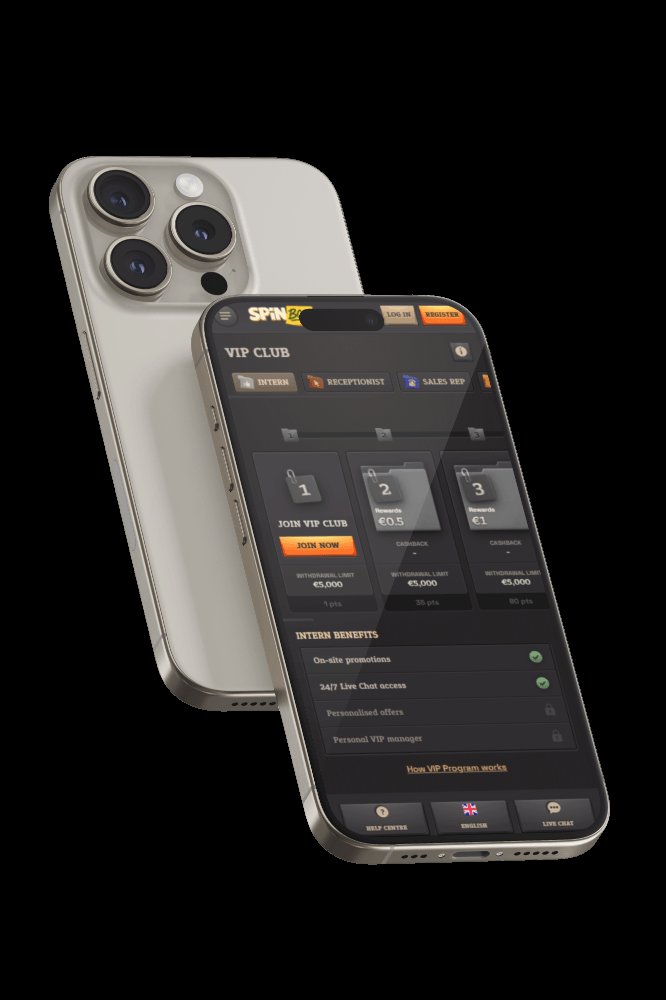
For casino enthusiasts, Spinboss offers an engaging online gaming experience that blends live dealer action with interactive betting.
Common Misstep: Ignoring Mobile Optimization
Many platforms launch with a desktop‑first mentality, only to see mobile traffic stall. In 2024, 68 % of live‑dealer viewership comes from smartphones. If your stream doesn’t auto‑switch to a mobile‑friendly layout within 5 seconds, you risk losing a large portion of your audience.
Bridge to Broader Entertainment
As live‑dealer formats mature, creators are branching into other interactive content. For instance, some channels now host live cooking shows where viewers can vote on ingredient substitutions in real time. If you’re curious about how these interactive streams are influencing other entertainment sectors, check out Spinboss for an engaging blend of live action and audience participation.
Conclusion: The Road Ahead
By 2024, live‑dealer streaming has moved from niche to mainstream. Its success hinges on low latency, clear interfaces, and transparent operations. Those who master these elements can expect a loyal audience and sustainable revenue. The next frontier? Integrating augmented reality to let viewers feel as if they’re physically present at the dealer’s table. For now, the live‑dealer experience remains the gold standard for real‑time, interactive entertainment.